ORTHO FILTER CORP F-215-G Nos Army Signal Ham Radio 50-80.2
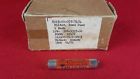
( Brand: Ortho Filter Corp ), ( Manufacturer Part Number: F-215/G ), ( Type: Low Pass Filter ), ( Country/region Of Manufacture: United States ), ( Bundle Listing: No )
Review ORTHO FILTER CORP Nos Us Army Signal Pass Ham Radio Band Mc 215
The F-215-G No. 1955 Army Signal Filter is a vintage piece of communication technology with a rich history. Originally designed for use in the U.S. Army Signal Corps during the 1950s, this filter is a testament to the advancements in radio technology during that era.
This filter, specifically modeled as the 215 Ortho, is designed to work within the 50-80.2 MHz frequency range, making it suitable for amateur or ham radio use. It's engineered to filter out unwanted frequencies, ensuring clear and stable transmission and reception of radio signals.
The F-215-G No. 1955 Army Signal Filter is built with high-quality materials, including a durable metal casing. Its compact size makes it easy to transport and install, making it a versatile tool for ham radio enthusiasts. The filter is also easy to use, with straightforward installation instructions and clear markings for easy identification of frequency ranges.
In addition to its practical use, the F-215-G No. 1955 Army Signal Filter is also a collector's item. Its vintage design and historical significance make it a unique and attractive addition to any ham radio collection. Whether you're a seasoned ham radio operator looking to expand your collection or a history buff interested in vintage communication technology, this filter is a must-have.
In summary, the F-215-G No. 1955 Army Signal Filter is a high-quality, collectible ham radio filter with a rich history. It's built to last, easy to use, and suitable for use within the 50-80.2 MHz frequency range. Whether you're a ham radio enthusiast or a history buff, this filter is a valuable addition to any collection.
Pros of buying a F-215-G No. 1955 Army Signal Filter Ham Radio:1. Historical Value: This ham radio is a vintage model from 1955, which makes it a collector's item for radio enthusiasts.
2. Functionality: The F-215-G is known for its excellent filtering capabilities, which can help eliminate interference and improve signal quality.
3. Versatility: This radio can operate on the 50-80 MHz band, which covers a wide range of frequencies, including AM and FM broadcasts, as well as ham radio frequencies.
4. Durability: Vintage radios, like this one, were built to last, and the F-215-G is no exception. It is a sturdy and reliable piece of equipment.
Cons of buying a F-215-G No. 1955 Army Signal Filter Ham Radio:1. Limited Capabilities: Compared to modern ham radios, the F-215-G has limited capabilities. It does not have digital modes, data modes, or other advanced features that are common in modern radios.
2. Requires Maintenance: Vintage radios require regular maintenance to keep them in good working order. This can be time-consuming and costly.
3. Limited Compatibility: The F-215-G may not be compatible with modern antennas or accessories. This could limit its usefulness for some ham radio operators.
Conclusion:The F-215-G No. 1955 Army Signal Filter Ham Radio is a unique and interesting piece of ham radio history. If you are a collector or a radio enthusiast, then this radio could be a great addition to your collection. However, if you are looking for a modern, feature-rich radio for serious ham radio use, then this may not be the best option for you.
Recommendation:If you are a collector or a radio enthusiast, then the F-215-G No. 1955 Army Signal Filter Ham Radio could be a great addition to your collection. However, if you are looking for a modern, feature-rich radio for serious ham radio use, then I would recommend looking at other options that are more suited to your needs.
Details:
This item has been in storage for decades and I am selling it as is untested. Item: nos 1955 us army signal corp low pass Filter, model F-215made by Ortho Filter of Paterson, NJ in original box.
Size: approximately x condition: appears unused and is untested as I have no way to test it with visible cosmetic wear or damage.
If a claim is necessary, buyers are expected to assist in the process. The box has normal storage wear, as pictured.
specifications powesupplipar:
- brand: Ortho Filter Corp
- mpn: F-215/g
- type: Low Pass Filter
- country/region of manufacture: United States
- bundle listing: No
Payments powesupplipar:
- PayPal
Shipping powesupplipar:
- handling: 1 days
- type: Calculated
Returns powesupplipar:
- paid by: Buyer
- type: Money Back
- details: RETURNED ITEM MUST BE IN THE CONDITION IN WHICH IT WAS SENT.
- policy: returns accepted
- time: 30 Days
Offer powesupplipar:
- Started: September 14, 2017, 6:00 pm
- quantity: 1
- bids: 0
- best offer: false
- Sold: 0
- min. bid: $24.99
Seller powesupplipar:
- city: Mount Vernon, Ohio
- zipcode: 43050
Ratings:
- Great communication!! Exactly as described! Works great! 09-13-17
- Just as described. 100% OK. Greetings fromThanks 09-14-17
- Nice<.As<.Fast<.A 09-14-17
- Large piece extremely well packed, piece as described. Great communication 09-13-17
- thank you! 09-14-17
General powesupplipar:
- consumer electronics > radio communication > partsaccessories > power supplies parts accessories
- in stock: Yes
- condition: Used